
SetGate: Review, Reject & Refill
Accurate & Automated Candling from Day 9
Take Control at Day 9, Instead of Day 18
Early candling offers clear advantages over traditional day 18 candling at transfer to the hatchers. By shifting the candling process to an earlier stage, hatcheries can unlock improvements in hatchability, chick quality and efficiency. Early candling reduces bacterial pressure, leading to higher hatchability and better chick quality. At the same time, it frees up valuable hatchery capacity, typically around 15%, with even greater gains achievable in older flocks
Controlling Biological Risk
Hatcheries implement strict hygiene protocols to manage bacterial pressure and safeguard developing embryos. However, one of the most significant contamination risks is often underestimated: The bacterial eggs that crack or explode during incubation, releasing harmful bacteria into the environment. Non-viable eggs often contain pathogenic bacteria that produce gas over time, increasing the likelihood of breaking.
When this occurs, surrounding eggs are exposed to contamination, elevating the risk of infection and negatively impacting chick health post-hatch.
The sooner these non-viable eggs are removed, the lower the risk of cross-contamination. Knowing this, why do we retain these risky eggs in incubation until day 18 while earlier intervention can deliver cleaner conditions and better results?
Optimized Hatchery Resource Utilization
Early removal of non-viable eggs improves the use of incubator and hatcher capacity by focusing space, energy, and labor on viable eggs only. This enables better estimation of expected percentage of viable chicks and creates a more stable and efficient hatching and processing environment.
SetGate offers Flexible Fill Rates for Optimal Resource Use
While a 100% tray fill rate maximizes efficiency, not all incubation systems are designed to operate at full capacity. SetGate allows hatcheries to adjust refill rates to match the capabilities of their equipment, by offering a fill rate of the tray to 90&. Therefore, SetGate can be used in existing hatcheries, regardless of the type of setters and hatchers used, ensuring optimal performance for every hatchery set-up.
The setter and hatcher systems from HatchTech are equipped with advanced MicroClimer technology, delivering uniform and precise conditions for every embryo, even at 100% tray fill.
SetGate
Accurate Early Candling from Day 9
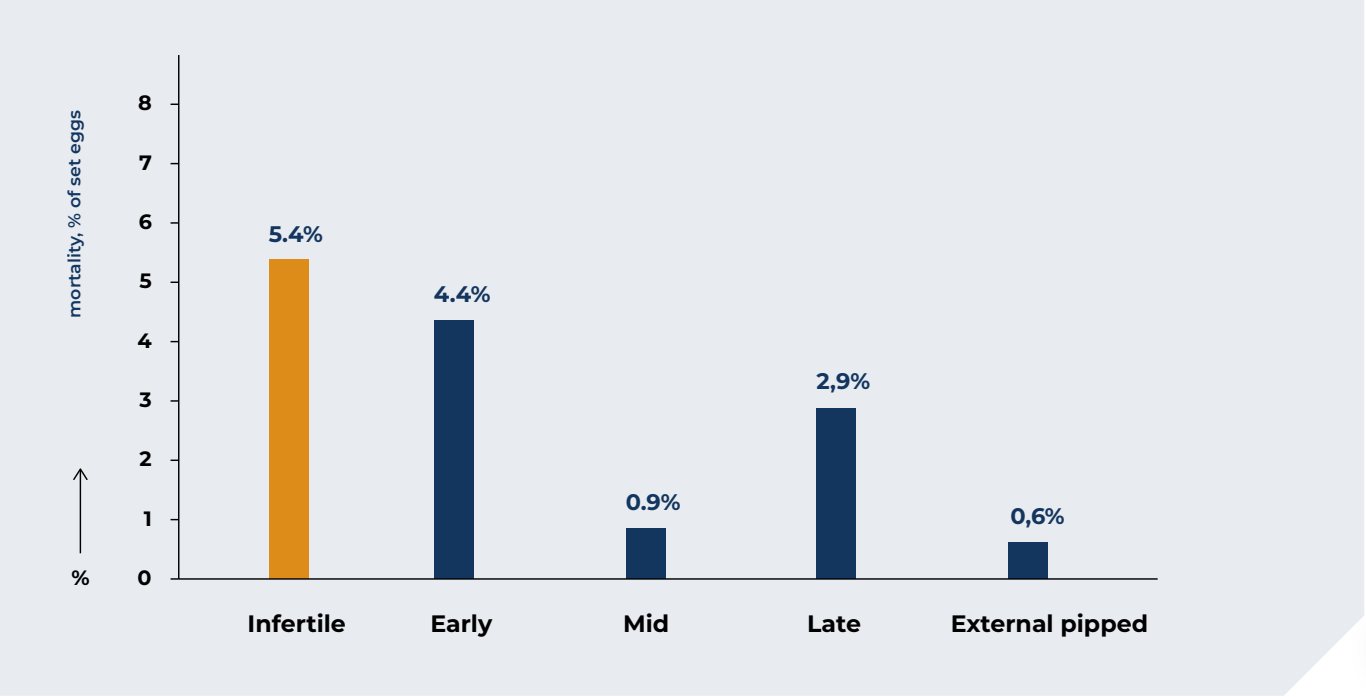
Top-performing hatcheries lose approximately 15% of eggs set*. The majority of these losses occur within the first nine days of incubation, well before transfer to the hatcher at around day 18.
On average, 5.4% of the eggs set are infertile and about 4.4% are lost due to early mortality. This early mortality accounts for approximately 50% of the total embryo loss.
SetGate identifies and removes infertile and dead in-shell eggs from of day 9, ensuring only fertile, viable eggs remain in the incubation process.
The result is a more controlled incubation process, where only eggs with true hatch potential are maintained. Early candling significantly improves hygiene conditions within the incubator. This leads to higher hatchability, improved chick quality, enhanced performance, and reduced reliance on antibiotics.
Early Candling
---------------------------------------------------
- Reduces bacterial pressure, minimizing cross contamination and lowers health risks later on.
---------------------------------------------------
- Optimizes incubation capacity and maintains stable environmental conditions
---------------------------------------------------
- Lowers manual labor and running costs, as 15% less eggs need to be handled and heated from day 10 –18
---------------------------------------------------
Proven Accuracy.
Optimized workflow
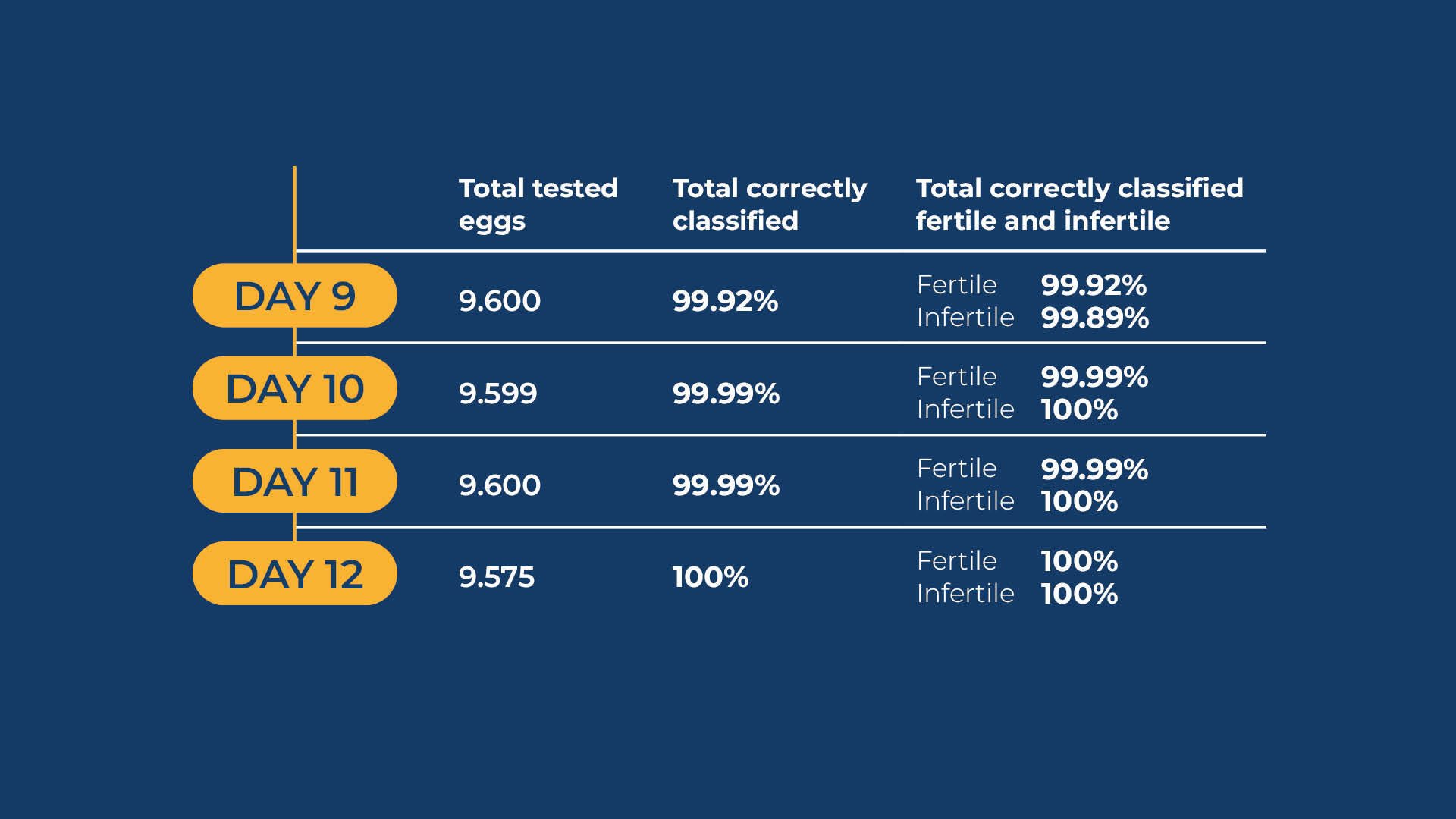
Extensive testing by the HatchTech Research Team demonstrates that the SetGate consistently achieves an accuracy exceeding 99.9%*. The system reliably distinguishes viable from non-viable eggs across a broad operating window.
By day 9, peak early embryo mortality has already passed. Only minimal losses occur between this stage and transfer to the hatcher, eliminating the need for additional candling later in the process. With a flexible, multi-day operating window starting at day 9, SetGate allows hatcheries to process batches efficiently across multiple shifts, improving workflow and operational flexibility.
Review
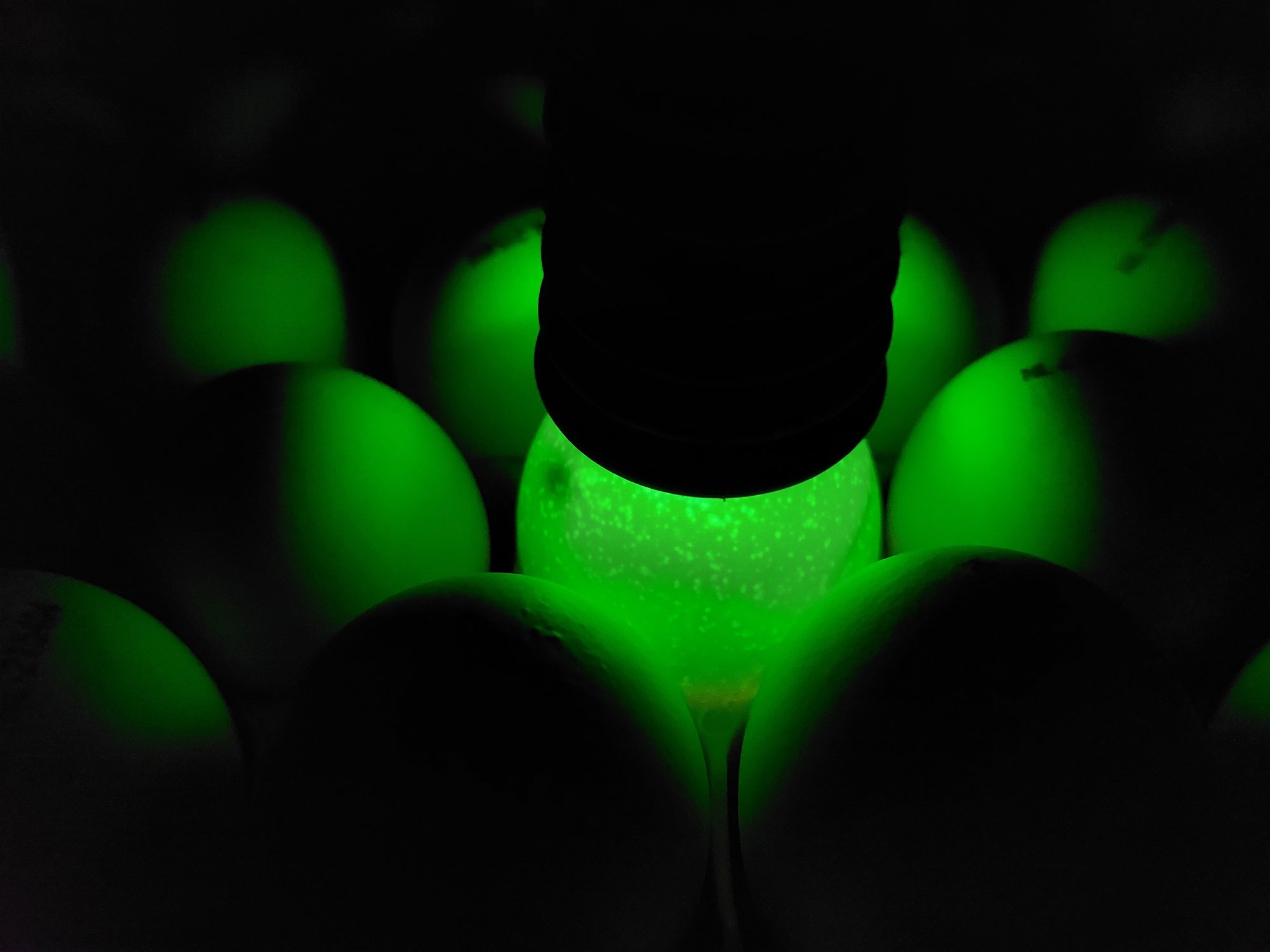
In the first module, the eggs are reviewed. Eggs are illuminated using green LED light while cameras capture internal images. These images are automatically optimized and processed by the AI-powered processor, which analyses blood-vessel patterns to distinguish fertile, dead-in-shell, and infertile eggs. This data is sent to the next module.
Reject
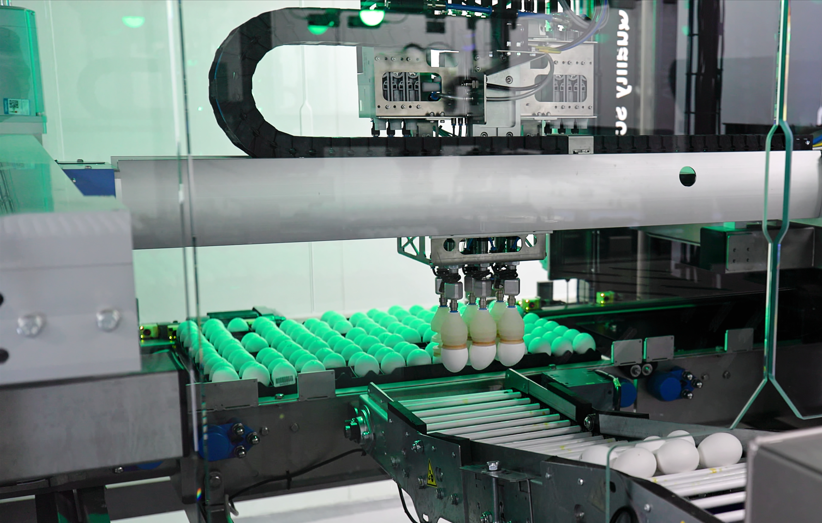
In the reject module, the non-viable eggs (clears) are automatically removed from the tray onto the conveyer by a Planar surface gantry tool. The fertile, viable eggs are left untouched.
Refill
Empty tray positions are automatically filled with viable eggs from a supply tray. Only these eggs are handled. Full trays* are seamlessly prepared for the next stage of the incubation process.
NB Full egg trays require setters and hatchers that can handle 100% capacity. If this can not be controlled, SetGate can lower the filling rate.
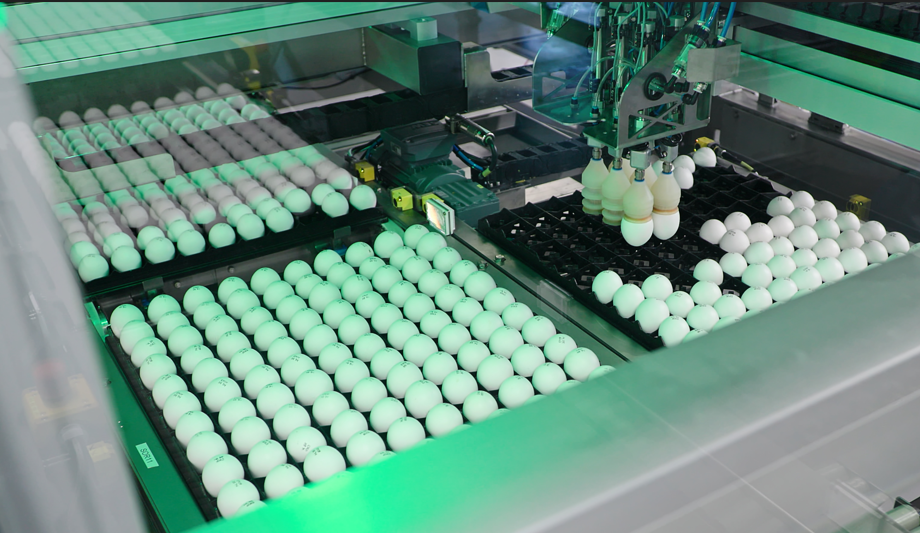
SetGate
Specifications
When used as a stand-alone product, SetGate can process up to 20,000 eggs per hour. Leading to an average output of fertile eggs of 18,000 eggs per hour.
The SelEggt Dashboard provides valuable information about the rejected eggs, such as the percentages of infertile and dead-in-shell eggs, helping to optimize hatchery operations. Eggs are handled with optimal care as the SetGate is designed to never exceed the safety threshold of 1 G-force during egg movement, ensuring that hatchability remains uncompromised.
Installation and commissioning are completed within 30 hours upon delivery. The SetGate system integrates seamlessly into existing hatcheries without requiring additional investments in electrical infrastructure or external electrical partners for installation, enabling fast and straightforward implementation.
